aijourn ran a piece this week on why small business AI projects stall after the demo. The short version: the tool works in the sandbox, then it hits the real workflow and disappears. You can read it here, but the takeaway is simple. Nobody wrote down the workflow the tool was supposed to fit into.
We see the same pattern. A business buys an AI agent for lead response or invoice chasing or credential renewals. The demo is impressive. The sales engineer shows a clean happy path. Then the tool goes live and three months later the owner can't point to a single metric that moved.
The RAND interviews and MIT data cited in the article back this up. The number one cause of failure isn't model quality. It's lack of clarity on what problem the project is trying to solve. Roughly 95 percent of organizations saw no measurable return on generative AI investment, and the authors attribute that to brittle workflows that don't fit daily operations.
Here is the uncomfortable truth. The workflow in the owner's head is not the workflow that runs the business.
Ask the owner how a new lead gets handled and they'll say "we reach out immediately every time." Ask the person who actually does it and you hear about availability, forgotten callbacks, reminders that get set and then ignored, nights and weekends when nobody responds. The 2011 HBR audit cited in the piece found only 37 percent of companies responded to a web lead within an hour. Twenty-three percent never responded at all. That was 2011. The tools have changed. The human constraints haven't.
Most owners we talk to don't know their average customer lifetime value, their conversion rate, or their reply rate. If you don't know those numbers, you have no baseline. You'll never know if the AI tool helped.
The solution is boring. You diagnose the work before you automate any of it.
What a diagnosis actually looks like
It's 45 to 60 minutes with the owner and the person who runs operations daily. Both have to be in the room. One knows how the process is supposed to go. The other knows how it actually goes.
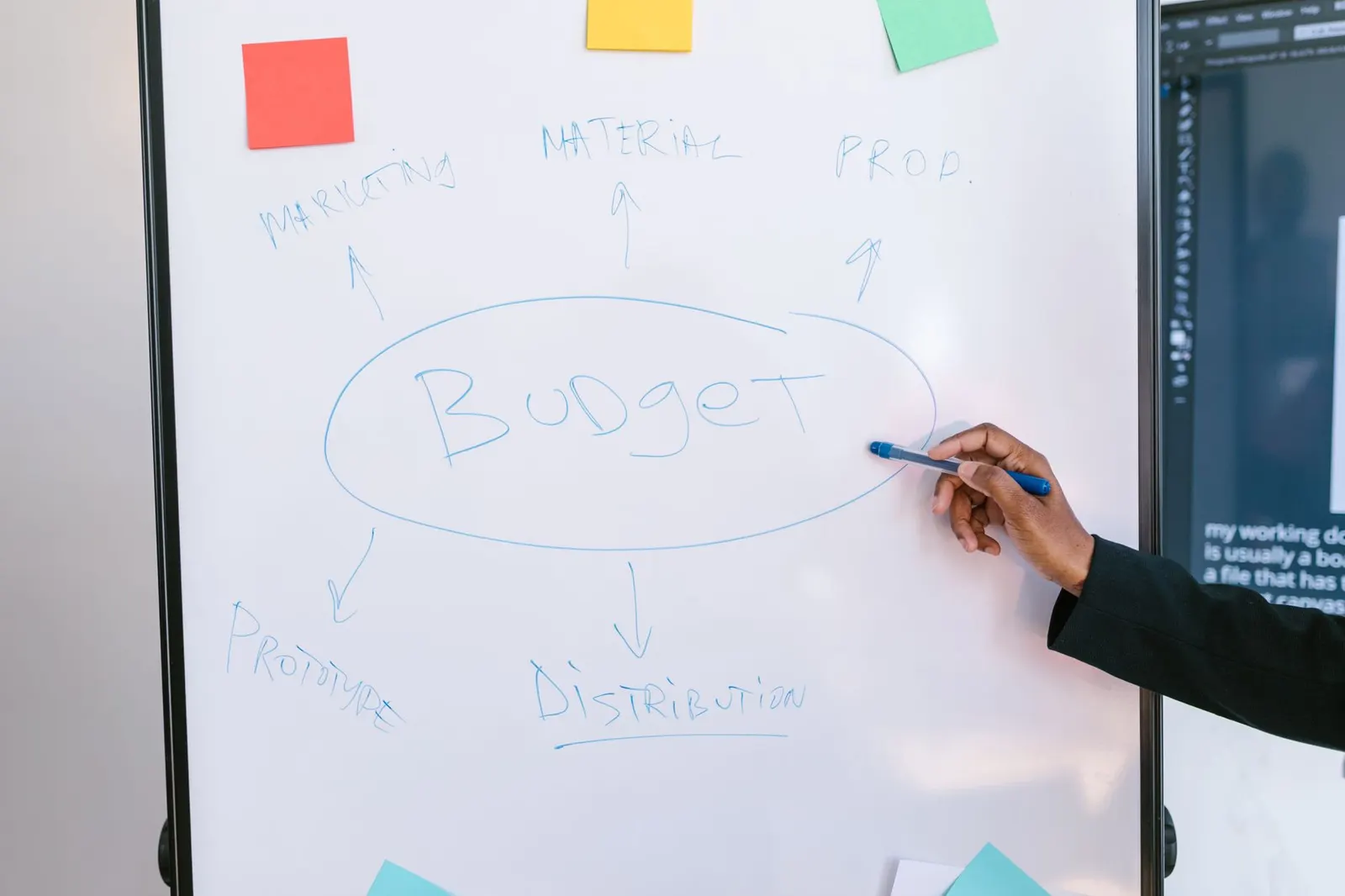
You walk the business end to end. How do people get in touch via web form, phone, and text? How quickly does someone answer? What software is in use? What procedures are written down? What are the handoffs between people? How do they appear in search and reviews?
The deliverable is a short document listing every manual step and every step that depends on someone remembering. You prioritize by cost in staff hours and lost revenue. Then you automate the number one thing. For most businesses it's lead response and follow-up because the results are immediate and easy to measure.
A good diagnosis also tells you what not to automate. Most of the time the real problem is a broken process. If people are entering intake data in three different ways depending on who answers the phone, the AI will do the same thing but faster and at scale. Automation amplifies whatever you give it. Sometimes the best recommendation is to fix the process first, automate second, or not automate at all.
A worked example: caregiver credential renewals
A home care agency with 140 caregivers had a pain point that wasn't on anyone's AI wish list. Caregivers have to keep credentials current, CPR cards, nursing assistant certifications, and the agency has to have proof on file. One HR manager spent two full days every week phoning, texting, and emailing every single renewal that was about to expire, then manually tracking when documents came in.
Before one audit she drove to a client's home to photograph a caregiver's CPR card. Nobody knew what that cost until they walked through her week.
The workflow was nearly identical to lead follow-up: contact a person, ask for one thing, follow up on a schedule if it doesn't come, log when it does. We reused the lead follow-up pattern. An automated credential renewal assistant would text caregivers when a credential was about to expire, ask them to text a photo of the renewed document, and follow up automatically.
In the first 10 days, 11 of 16 expiring documents came back by text. In the first month about 80 percent of caregivers responded. The other five weren't failures. Some credentials like fingerprint-based background checks require an office visit. Others preferred to email or call after the nudge.
After the month the office marked it as fully collected because every caregiver did something when prompted. The HR manager's two days a week of chasing dropped to a handful of caregivers who needed escalation because they didn't respond or needed assistance. The automation didn't need to close every case. It just needed to take the chasing off one person's desk.
Keep a person where mistakes are expensive
One step was left manual on purpose. A staffer reviews every document that comes in and either approves it or rejects it with a reason, blurry, expired, wrong document. When it's rejected, a new request goes out automatically.
AI models are good at reading text from photos and they're getting better. But a wrong expiration date on a compliance file is an expensive mistake. A quick human check catches it. That step may be automated in the future with oversight when the error rate is proven on real documents. For now, the human stays in the loop.
The three questions
Before you sign up for any AI tool, a small business should be able to answer three questions:
What are the exact manual steps in this process today and who does each step? Not the ideal process. The real one. Write it down. If you can't write it down, you don't understand it well enough to automate it.
What's the single most expensive step in staff hours or lost revenue? Not a list of annoyances. The one step that costs the most time or money. That's your pilot target.
What number will you have 90 days from now that will show the change worked? A metric. Reply rate. Days to close. Hours saved. Documents collected. Something you can point to and say "this moved."
If you can't answer them, you're not ready for the project no matter how cool the demo was. If you can, the tool selection becomes the easy part.
We run a free 30-minute call to help teams think through these questions. No pitch, just the diagnosis frame. Book it here if you want a second pair of eyes before you buy.



Comments
No comments yet. Be the first.